
-
What’s for Lunch: Wild Rice Junk

- 1/2 cup wild rice that didn’t make it into last night’s pilaf
- 1/3 cup whole milk
- 2 tsp butter
- 1 tsp maple syrup
- Scant scoop of protein powder
- 1 small green apple
- 2 tablespoons of peanut butter
Lunch came late for me today and I was raging hungry. There was no plan, no prep just me and the junk in my kitchen. So, here it goes. I love a wild rice porridge, especially the wild rice porridge at Hell’s Kitchen in Minneapolis. This was NOT that. Left over wild rice in a bowl with milk, and butter – zapped in the microwave for some minutes (maybe 2ish). Cut my small granny smith in quarters while the microwave was working some magic. Added a little less than a full scoop of protein powder and maple syrup to the warm wild rice and stirred it up. I stuck the apples in some crunchy peanut butter and sat down to feast.
Was this a balanced meal? Not exactly. Did it meet my needs? Yes. Protein in the middle of the day has been a struggle for me, so I call that 32 grams of protein a win. There are no veggies in this lunch – bummer. But, there is a fair amount of fiber (6.5 grams). This meal made me happy because I love the flavor combo of wild rice, maple, and dairy. It also hit all the nutrients I am working to get in consistently. And tomorrow is another day.
Nutrient breakdown
Based on the amount of food above which are educated estimations of the exact amount I ate. This is a rough estimate.
- Calories: 500 kcal
- Fat: 27 g
- Saturated: 10 g
- Unsaturated: 17 g
- Carbohydrates: 41 g
- Fiber: 6.5 g
- Protein: 32 g
- Sodium: 433 mg
- Significant source micronutrients: Vitamin B12 and phosphorus
- Good source micronutrients: Vitamin A, riboflavin, folate, manganese, zinc, calcium, and potassium.
-
Be Blanching: Master Flavor, Freshness, and Meal Prep

To blanch is to boil (or steam) briefly then submerge in ice water. That’s it! Blanching is easy. It is a cooking technique that helps get the most out of vegetables. Using this method brightens and slightly softens veggies. After which vegetables are ready to be slathered in a dip in their starring role for crudites. Blanching also preps vegetables for other dishes.
As part of meal planning this cooking technique:
- preserves the quality of your vegetables for later in the week
- gets a head start on the cooking process, making your vegetables ready to go
- cooks vegetables evenly, making it easier to get an even, finished dish later
Check out this 1-minute primer on blanching, if you need the visual. But, truly – boil some salted water, add your veggies, time them, then give them the cold plunge – easy as that. Once they’re done, dip them, sauce them, or send them to their next destination in a pasta, salad, or soup. The possibilities are endless for a blanched veggie.

-
Simple Tex-Mex Seasoning
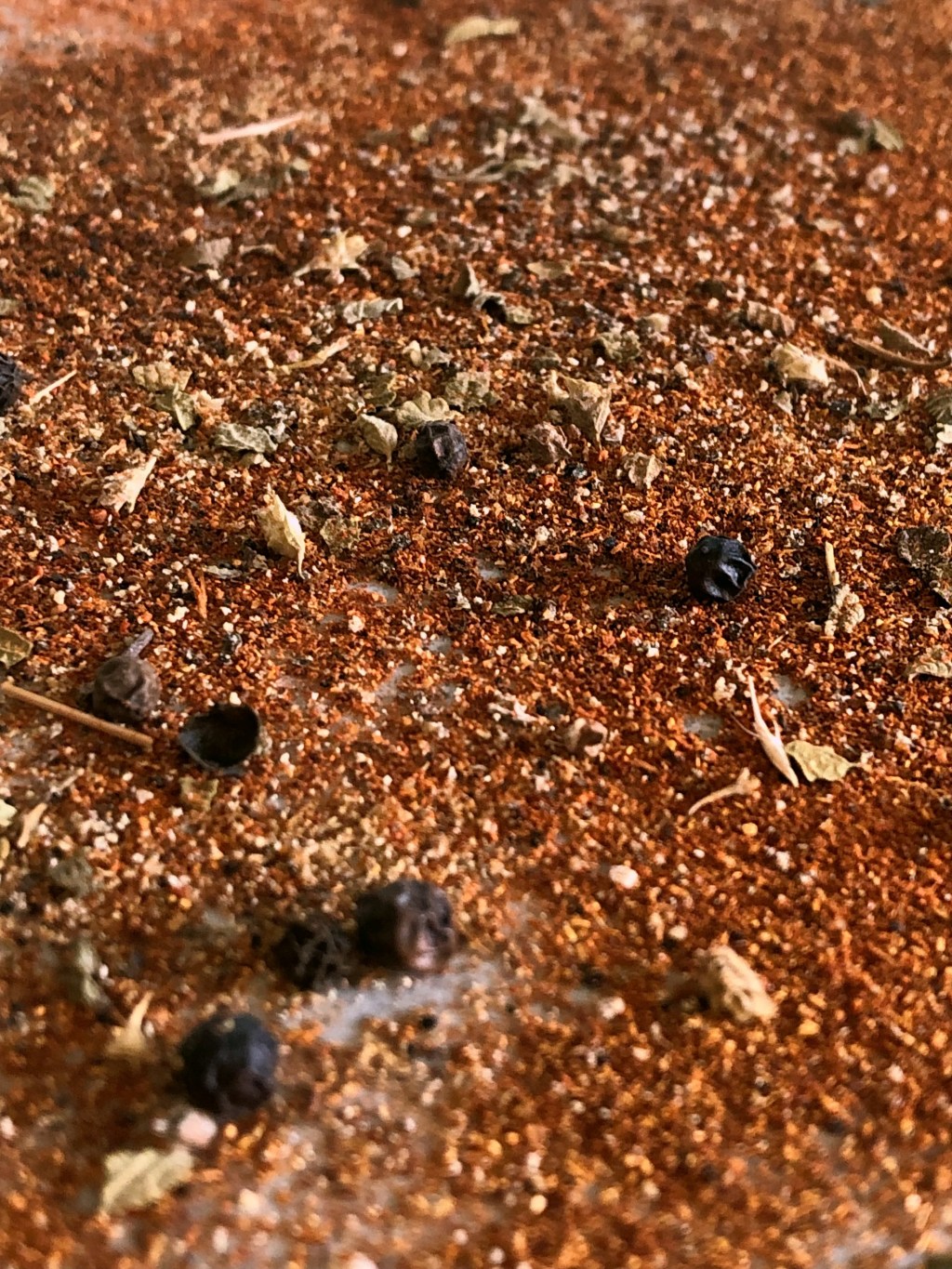
Don’t call it taco seasoning because it can be used for so much more! This Tex-Mex multi-tasker can do anything from flavor your favorite black bean burrito to punch up that braised pork butt.
Ingredients & Steps
- 1/2 tablespoon dried oregano
- 1.5 tablespoons chili powder (not the hot stuff, the mild sweet kind)
- 1/2 tablespoon sweet paprika
- 1 teaspoon smoked paprika
- 1/2 tablespoon ground cumin
- 1/2 teaspoon black pepper
- 1 teaspoon salt
Mix that! Use it on anything you get a hankering to.
-
Humble Pot of Beans – A Quick One-Pot Meal
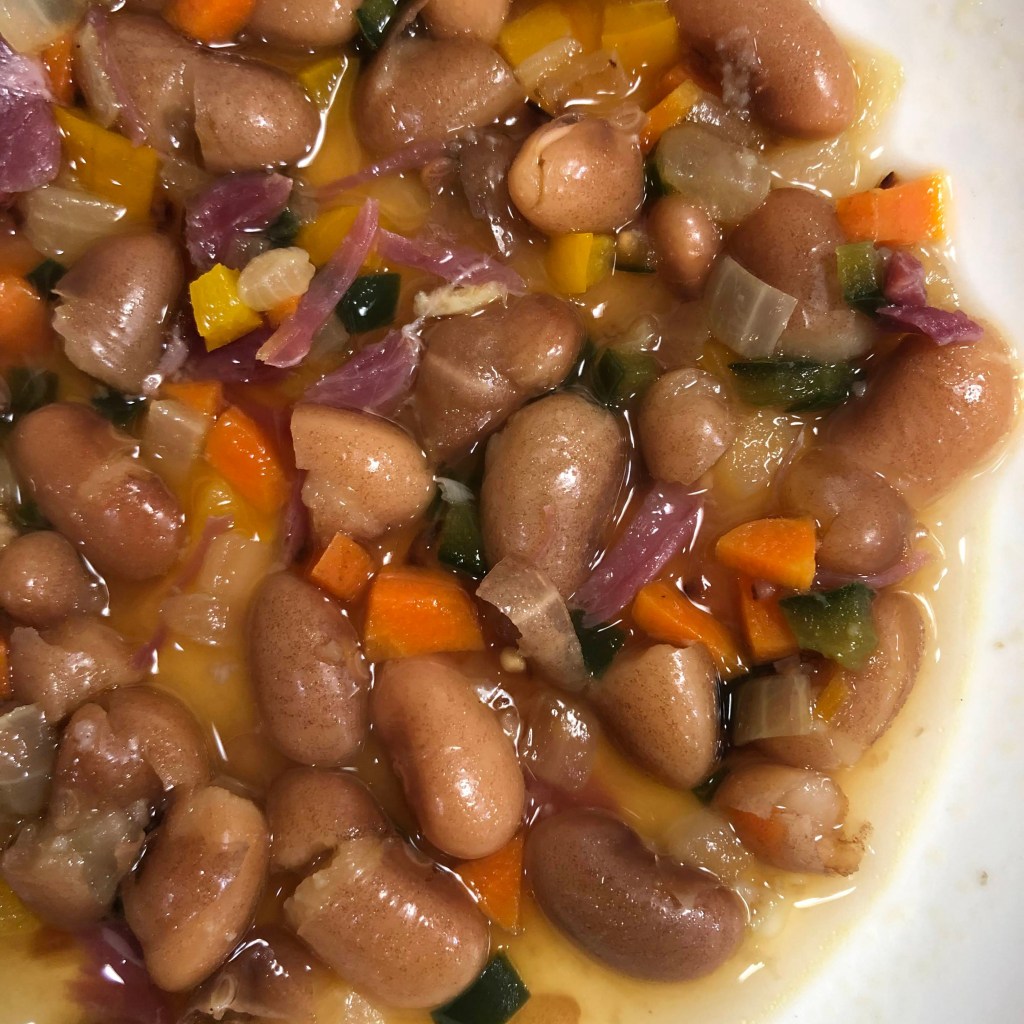
The pinto bean holds a special place in my heart. I was a picky eater as a child. A simple pot of beans with cornbread meant it would be an easy night where everyone was happy and my belly was full. This pot of beans celebrates the versatile, low cost pinto bean as the star of the show. A supporting cast of carrots, onions and peppers creates a rich bowl of goodness. Humble yet proud. This recipe serves 4 people.
Ingredients & Steps
- 1 Tablespoon olive oil
- 1/2 large onion, diced
- 1 large carrot, diced
- 1/2 green bell pepper, diced
- 1/2 yellow or red bell pepper, diced
- 1 large clove of garlic, minced
- 1 teaspoon dried oregano
- 1 teaspoon chili powder
- ¼ teaspoon smoked paprika
- 3 cups cooked pinto beans (2 cans)
- 4 cups vegetable or chicken stock
- 1 bay leaf
- ¼ teaspoon ground black pepper
- ¼ teaspoon salt
- In a large pot, heat about 1 tablespoon of oil over medium-high. Once the oil shimmers or picks up speed when you roll it around the pan, add the onion, carrots, and peppers. Season with a pinch of salt.
- Cook for about 8-10 minutes (or until the vegetables get some color) then add the garlic, oregano, chili powder & paprika. Stir that around and cook until the garlic is fragrant.
- Add the beans, stock, and bay leaf. Bring to a boil, reduce the heat to low & simmer for 10 minutes. Add salt & pepper to taste.
As always, a recipe is a guide. You are the cook. IF you want meat a ham hock is a brilliant, but you might as well do dried beans in the pressure cooker if you are going that route. IF you want the meat & speed try diced ham or bits of bacon. If you want different veggies – do it. You want to add fresh herbs? My goodness why didn’t I think of that? This is your meal – make it like you own it.
-
Walk Like An Italian: Evening Walk, a Healthy Habit

by Brian Gebhart
We’re cleaning up after dinner when our five-year-old son asks if we can go on a passeggiata. Jessica, my wife, and I look at each other, sharing a bemused smile. We’ve been using the word for a while, but it might be the first time we’ve heard it from the mouth of our youngest child, and it’s definitely the first time he’s asked to do it.
The verb passeggiare is Italian for a walk, but it’s a bit more specific than that. A passeggiata
(pronounced pah-say-JAH-tah) refers to a leisurely stroll through one’s neighborhood, city center, or general surroundings. Italians may take un passeggiata at any time of day, but many cities and towns have a traditional evening ramble, where people talk, meet up with family and friends, and maybe drop into a café for a quick drink or snack.It’s a tradition Jessica and I both encountered during our respective times in Italy, and it’s one we appreciated and decided to bring home with us. Although our version takes place in a suburban neighborhood rather than a city center promenade and, compared to the Italian version, is notably less glamorous.
The word itself is characteristic of Italy: such a long, languid, elegant collection of sounds to communicate a simple concept. But like so much else in Italian lifestyle, the simplicity is deceptive. The tradition of the passeggiata can’t be disentangled from all the other fundamental aspects of daily life: food, family, community, the built environment of cities and towns, work and school and mealtime routines. All of those vital systems are arranged in ways that support the practice of passeggiata, and the passeggiata supports them in turn. From the perspective of many Italians, a casual evening walk is a small but important thread woven into their day. Over time, all those threads accrete, becoming an inextricable part of the fabric that makes a healthy and happy life.
There are many health benefits, of course, most obviously the opportunity to move your legs and burn a few calories. Also, simply being outdoors can improve one’s mental health, lower blood pressure, and combat anxiety. Talking with family and friends can have the same effects. And if you take a passeggiata after a meal, it can help reduce harmful spikes in blood sugar. But these kinds of metrics don’t explain the tradition itself, and the true benefits can’t be tallied up like steps on a Fitbit. All of it runs much deeper than that.
Our son is waiting on an answer, looking up with a hopeful expression. It’s a delicate moment, and the decision feels more fraught than it probably should, weighed down by all the burdens of daily life. Because on the one hand, taking 20 or 30 minutes to walk around our neighborhood means delaying the after-dinner cleanup, the dishes, the kids’ baths and bedtime routines. It means less time to relax in front of the TV afterwards, at least if we want to get a good night’s sleep.
But on the other hand, a passeggiata brings the possibility for chance encounters, for surprising sights and sounds and smells, for noticing something new. We’ll be able to talk to each other about whatever’s on our minds, and we might get to chat with neighbors we haven’t seen in a while. Our neighborhood doesn’t seem very exciting at first glance: single-family houses, cars, sidewalks, mailboxes, and all the rest. But when we
take the time to look, we see it’s also filled with trees, birds, flowers, insects, frogs, squirrels, and much more.Perhaps most importantly, the passeggiata reminds us that we’re part of a huge and fascinating world, a fact that makes our lives richer and more fulfilling, as long as we make enough time and space to recognize it. So, in the end, our son doesn’t have to wait long for the response: Andiamo! Let’s go!
-
Let The Sunshine In: Get More Than Vitamin D
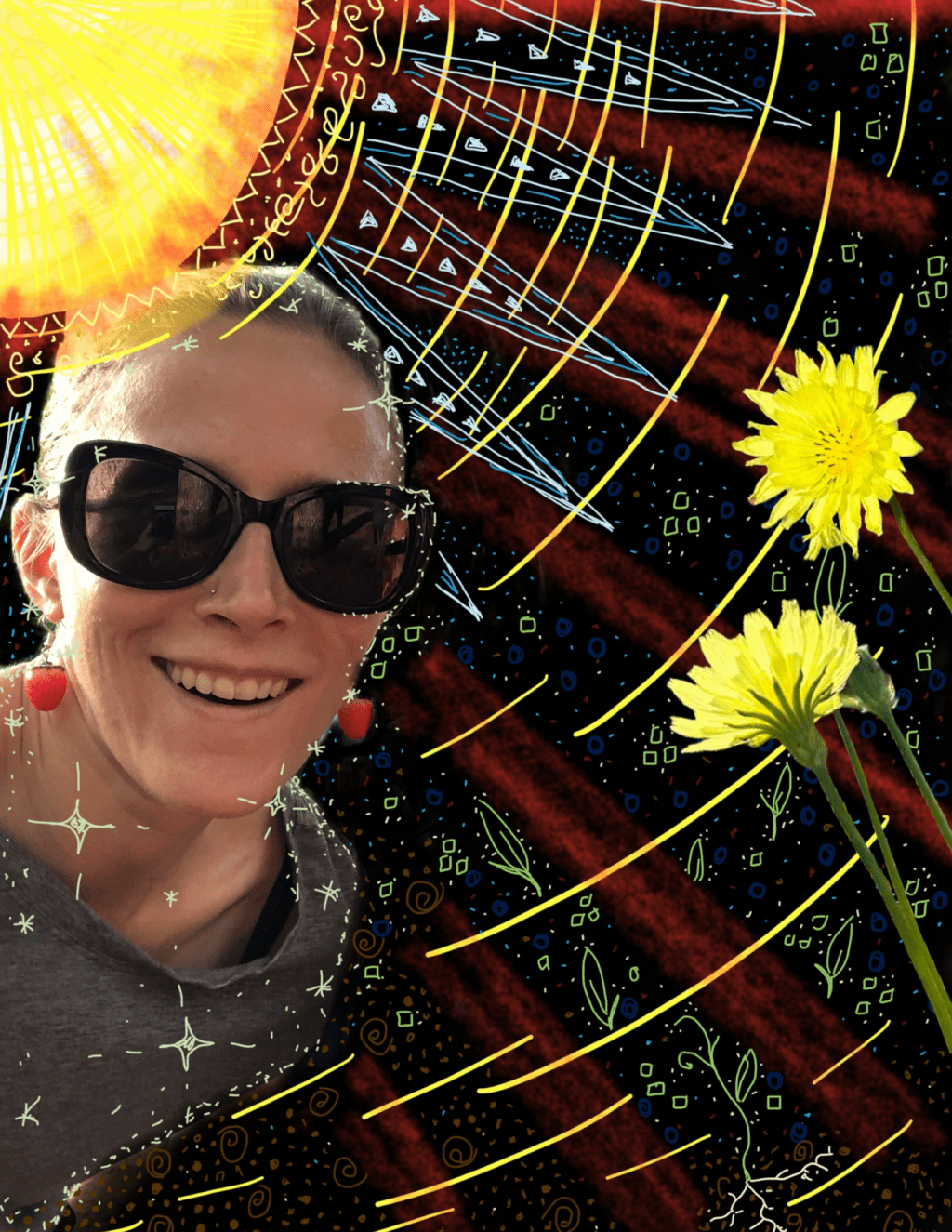
A sunflower stretches toward the sun to absorb rays and produce food. Chemical magic happens as the green leaves and yellow petals blow in the breeze. I’ll admit to feelings of jealousy knowing plants can make their own food. Turns out we are a little plant too. Our bodies absorb sunlight and make vitamin D. Vitamin D has been called the happy hormone and no doubt has a hand in our mental health but it does so much more than that. It is intimately tied up in bone health, glucose metabolism, immune function, and regulating inflammation.
We are magic just like the plants. The rays from the sun (specifically UVB) hit your skin change cholesterol into vitamin D3. The liver and kidneys change Vitamin D3 into the active form of vitamin D (1,25-dihydroxyvitamin D). Bonus! UVB also triggers a photoprotective response including thickening of the skins outer most layer (stratum corneum keeps unwanted things out and water in), production of melanin (absorbs UV), and increased production of enzymes that repair DNA.
Sun! UV! Skin Cancer! Bah!
Whoa, okay! Excessive UV exposure is associated with skin cancer. The American Academy of Dermatology recommends always applying broad spectrum sunscreen, seeking shade, and wearing protective clothing. To each their own. I’m not here to argue and toss scientific studies around (if you would like an entry into the argument read this or for a heavier entry read this or this). Humans are not vampires, orcs, or other nocturnal creatures. I will not avoid the sun at all costs and pay for a supplement to provide what I could get from the sun for free.
I know, that sounded like I was arguing. I’m not.
Vitamin D is important for your health and well being. You can take supplements. If you do that please take care to find a trustworthy source (the supplement market is like the wild west y’all, be careful). You can eat foods fortified with vitamin D, but these will not supply the amount you need. Needs differ from person to person based on where you live, your age, your sex, your skin pigmentation, and your health status. The Sun, your health, and your skin go way beyond sunny vitamin D.
Routine sun exposure not only produces vitamin D but also:
- Sunlight (UVB radiation) promotes the production of serotonin and beta-endorphins helping regulate our mood and promote a feeling of happiness.
- Sunlight (UVA radiation) leads to the release of nitric oxide which increases blood flow, lowers blood pressure, and benefits the immune system, cellular function, nervous system and lowers inflammation.
- Sunlight benefits the balance of the skin and gut microbiome.
- Sunlight (blue light) regulates circadian rhythm which can establish healthful sleep patterns reducing depression, improving cognition, and reducing cancer, cardiovascular, and metabolic disease risk.
Sunlight has so much more to offer than vitamin D production. Although the time needed in the sunshine for benefits depends on a lot of factors, a good general goal is 10-20 minutes daily (with arms, legs, hands, face, and neck exposed and sunscreen free) of midday sunlight. If you want to read more Grassroots Health Nutrient Research Institute has some great articles. If you’re not into that, then imagine a grandma slapping the video game controller out of your hand saying, “Get up and get outside. Go get some sunshine and fresh air, it’ll do you good.”

I’m a registered dietitian nutritionist (RDN) who believes that true wellness starts with how you feel—not just what your lab values say. My approach is rooted in compassion, whole foods, and sustainable lifestyle changes that support your unique journey. Whether you’re navigating weight changes, managing IBS or diabetes, or juggling multiple chronic conditions, I’m here to help you feel better in your body and more confident in your choices.
Lifestyle challenges are unique and complex for everyone. Jessica is here to help you find what eating style is right for you or to simply teach you how to throw together a tasty one pot dinner. If you already work with a dietitian but need a bit of hands on help, she’s here for that too.
